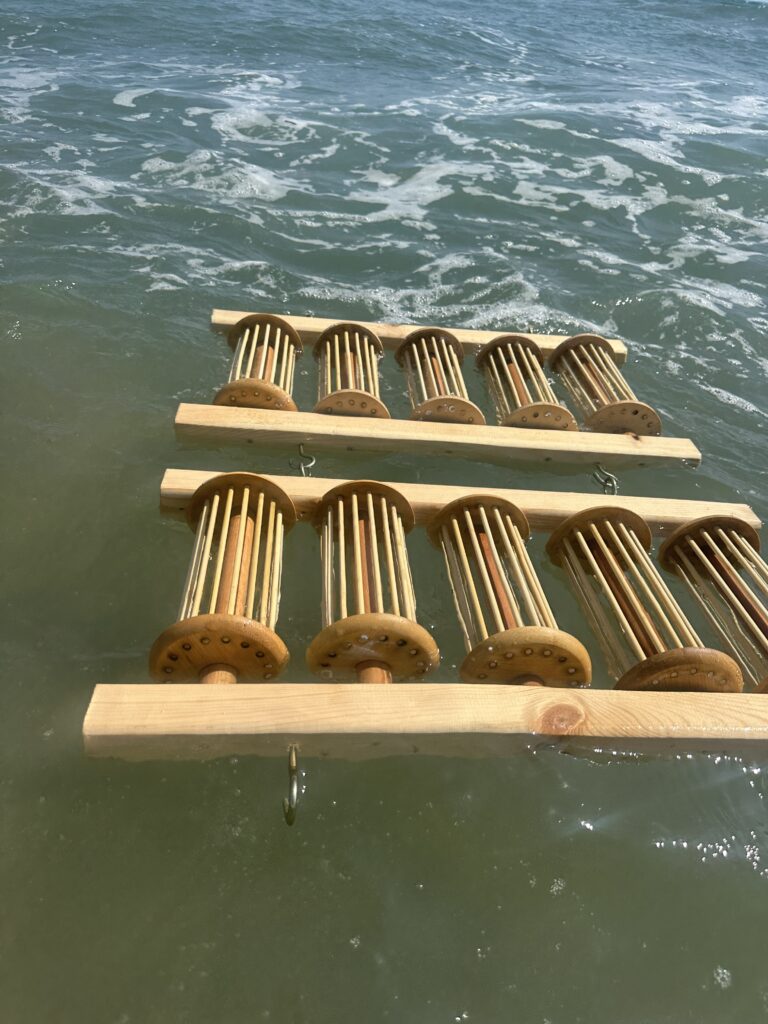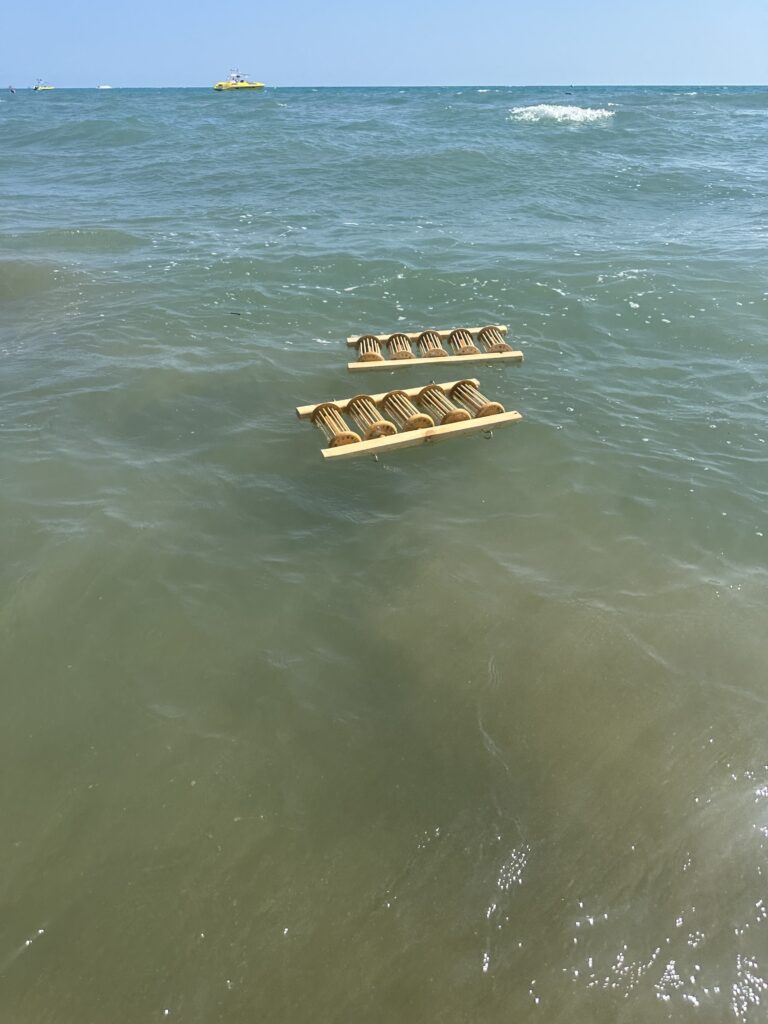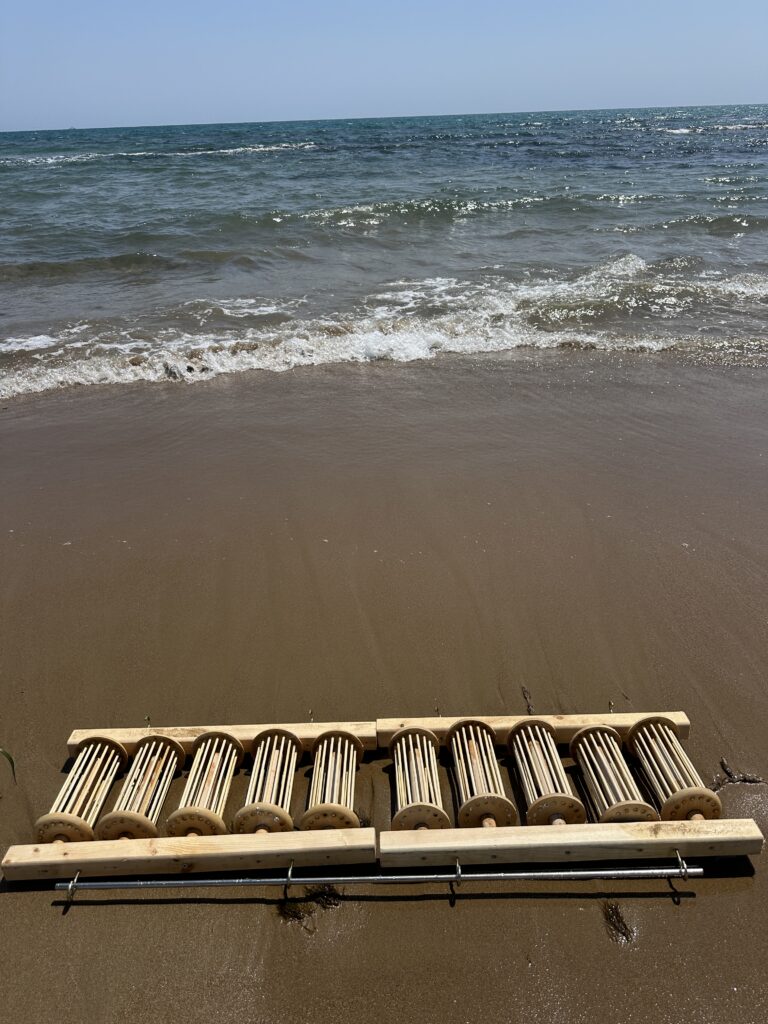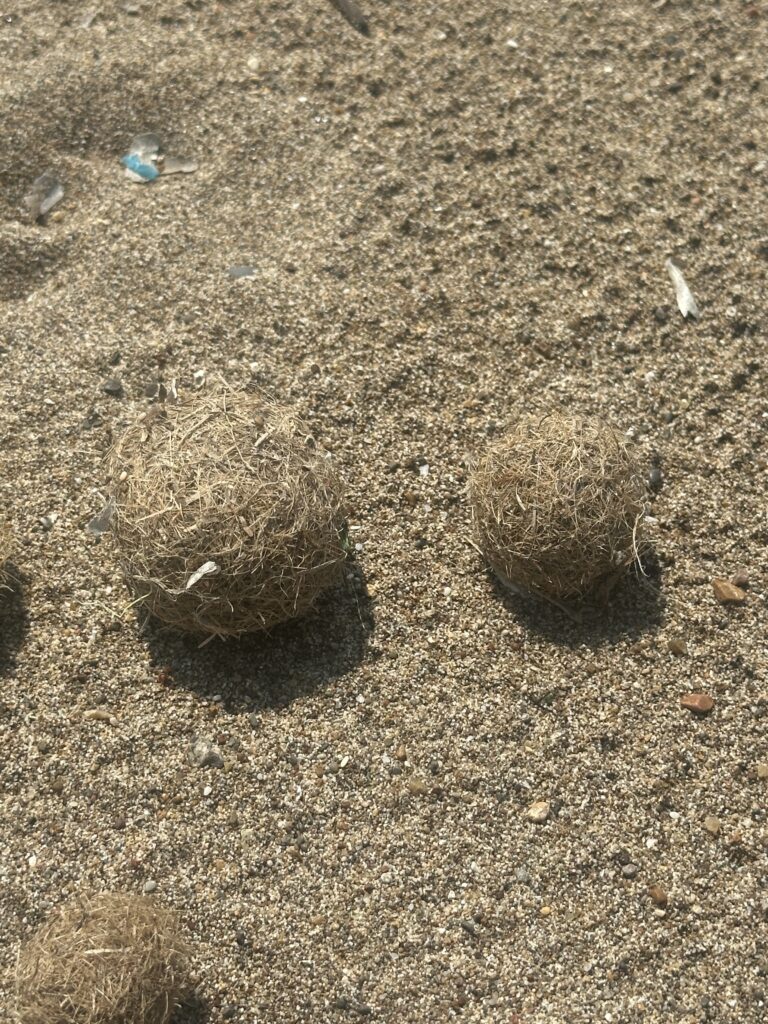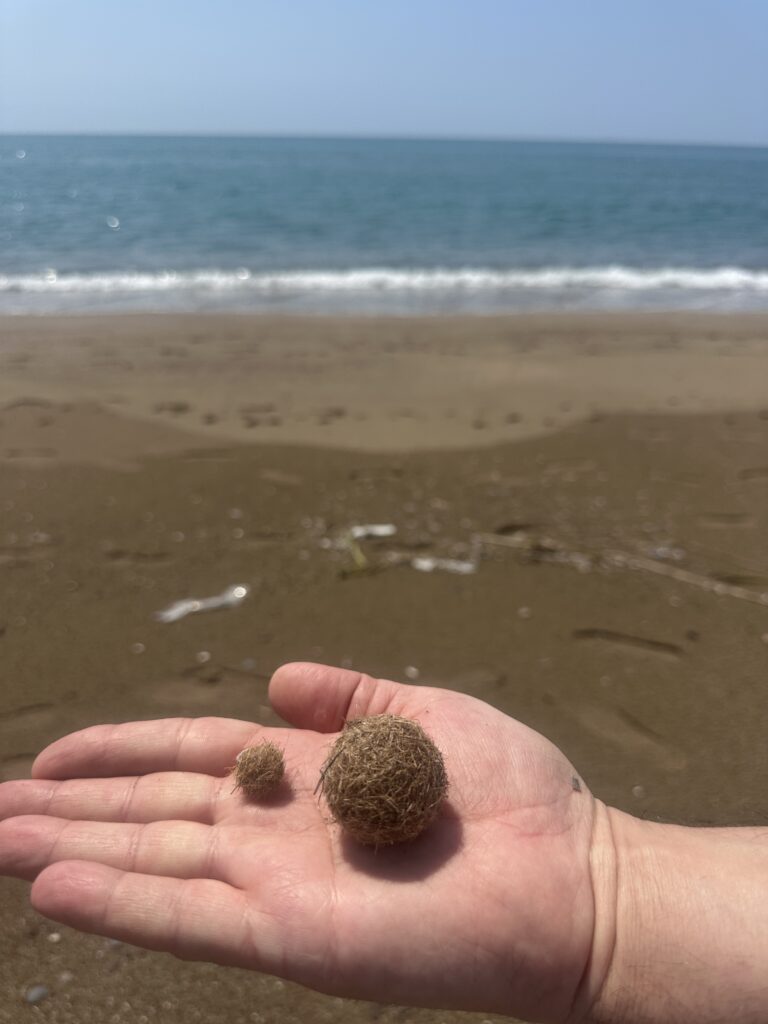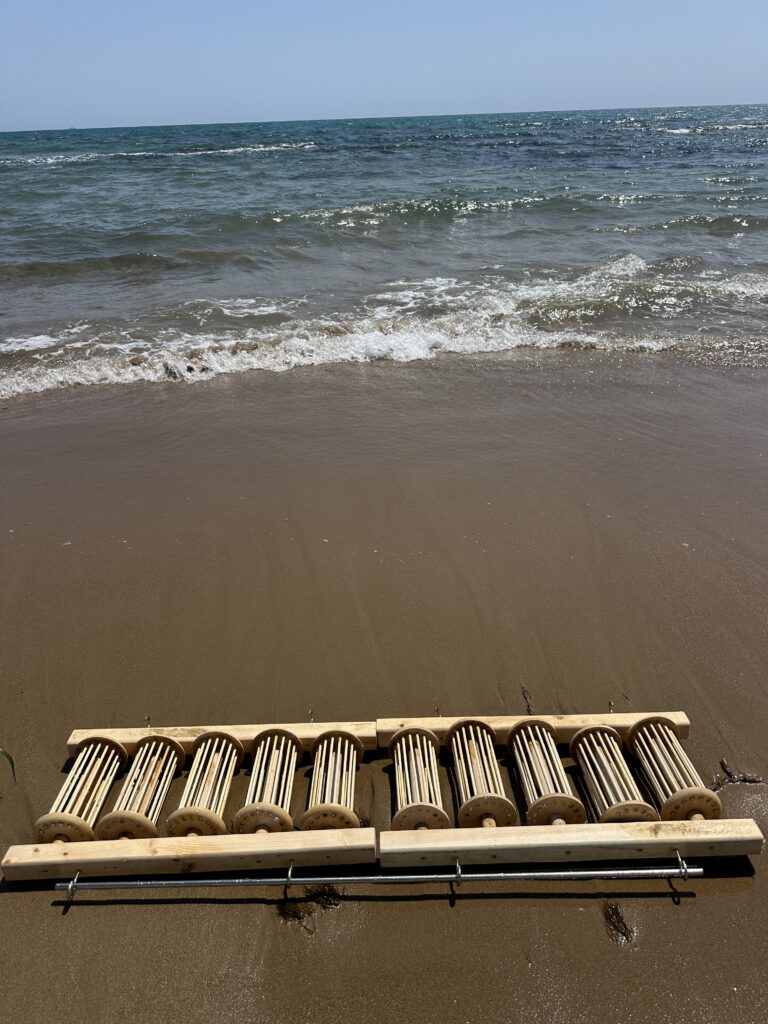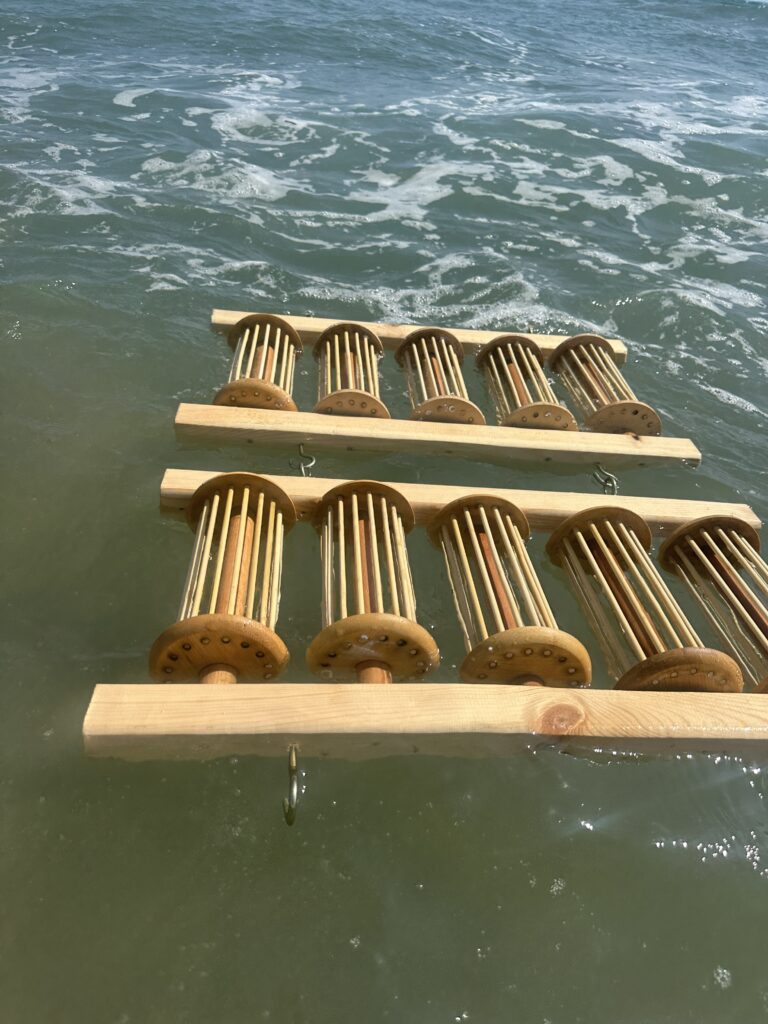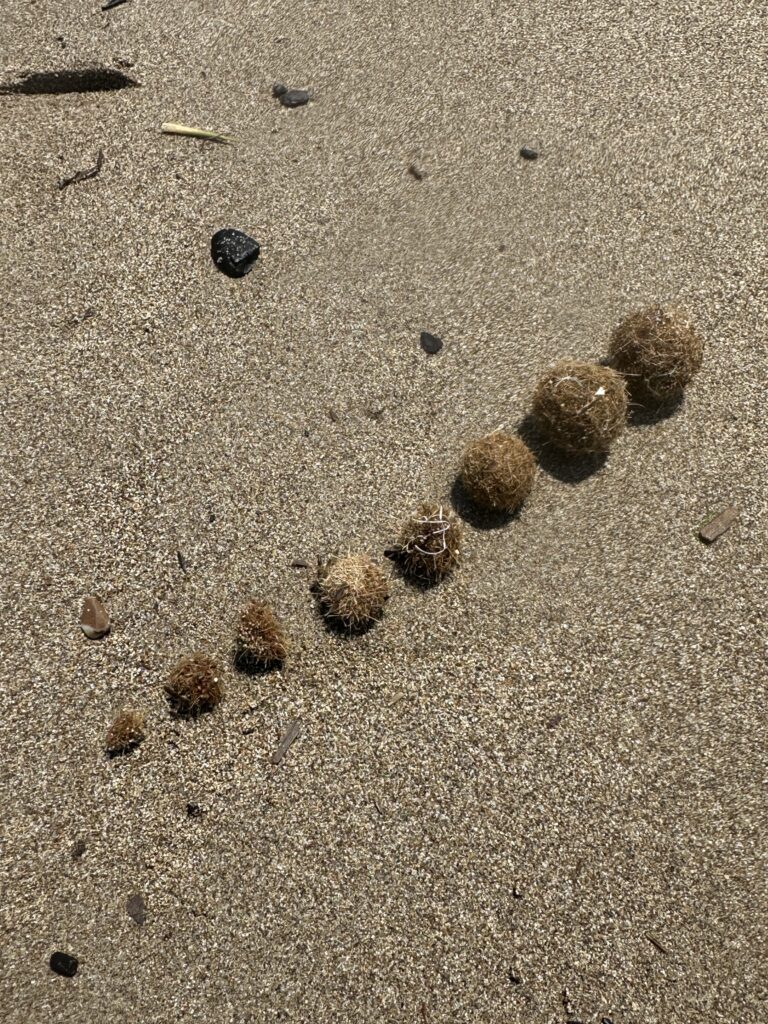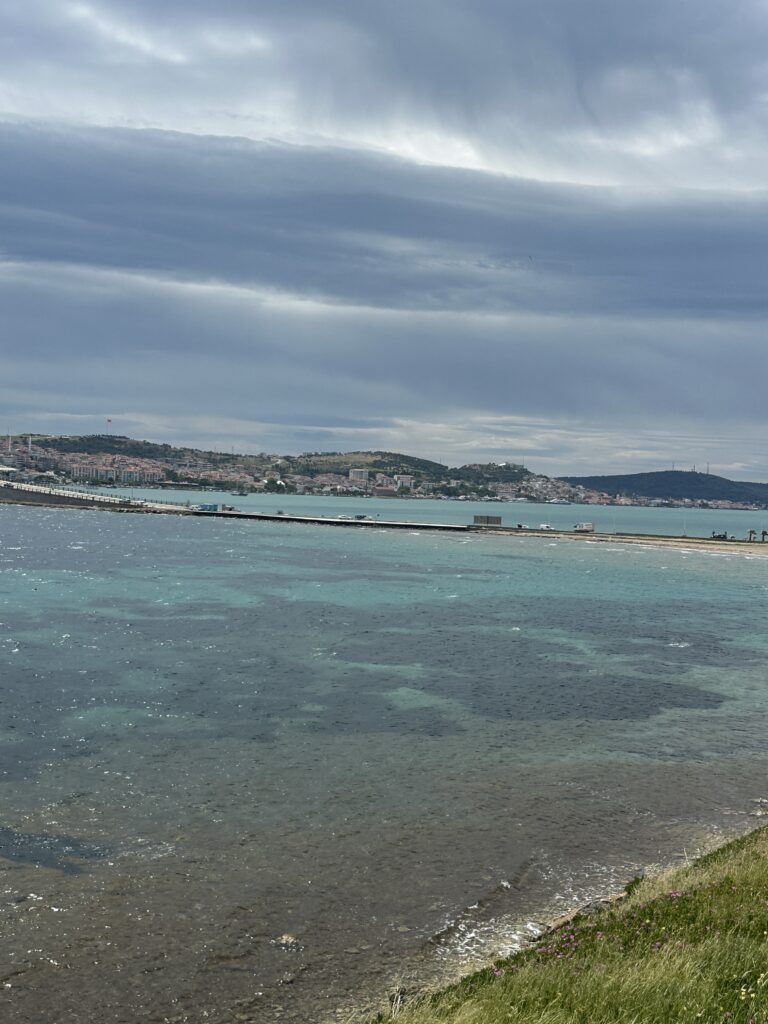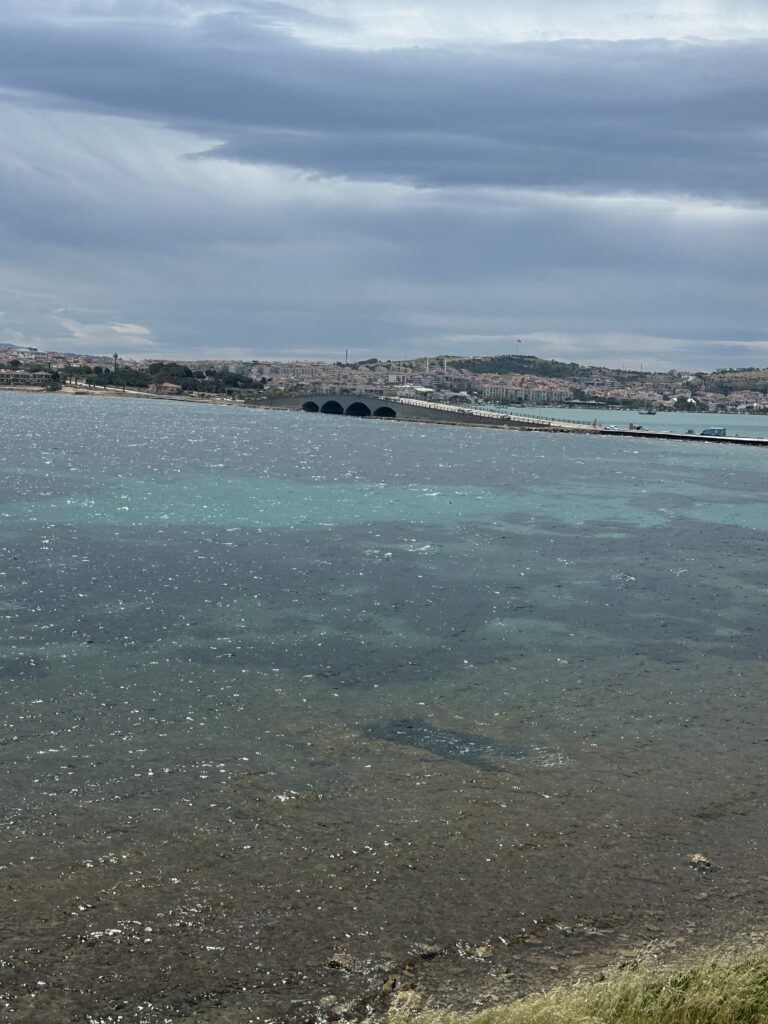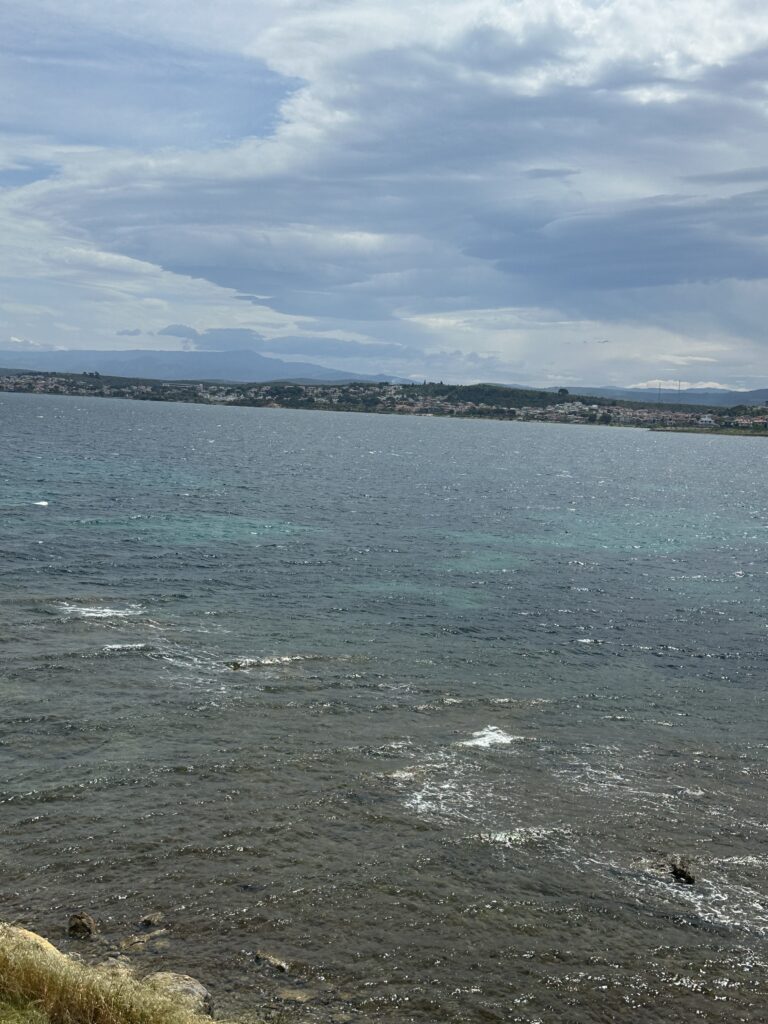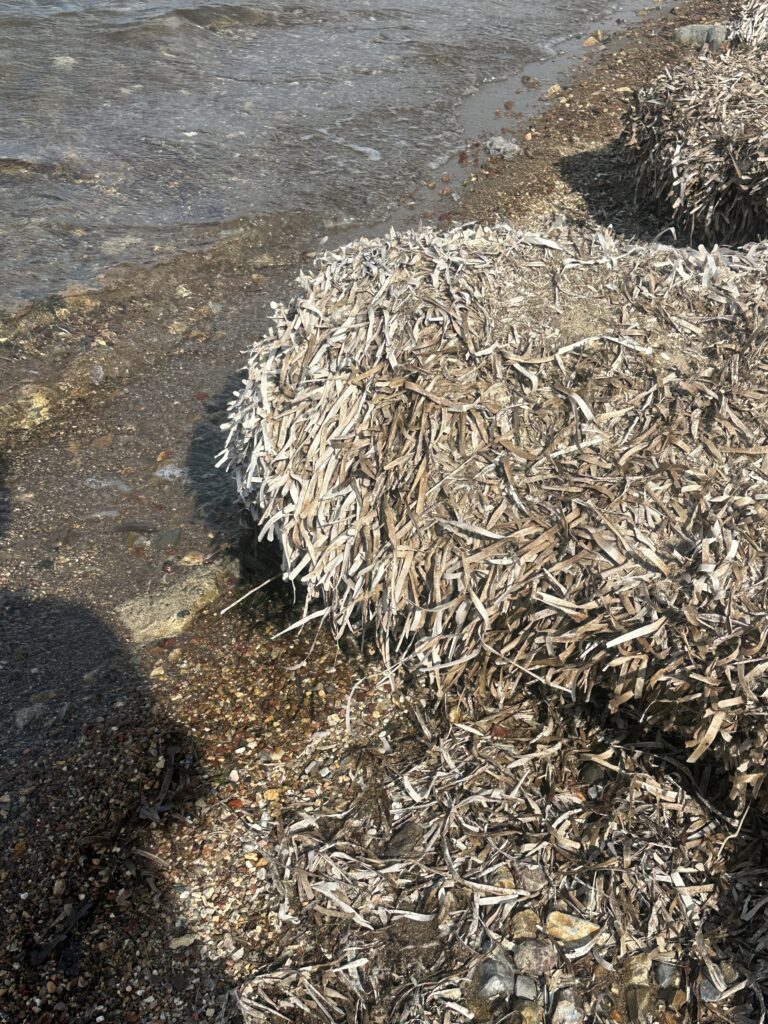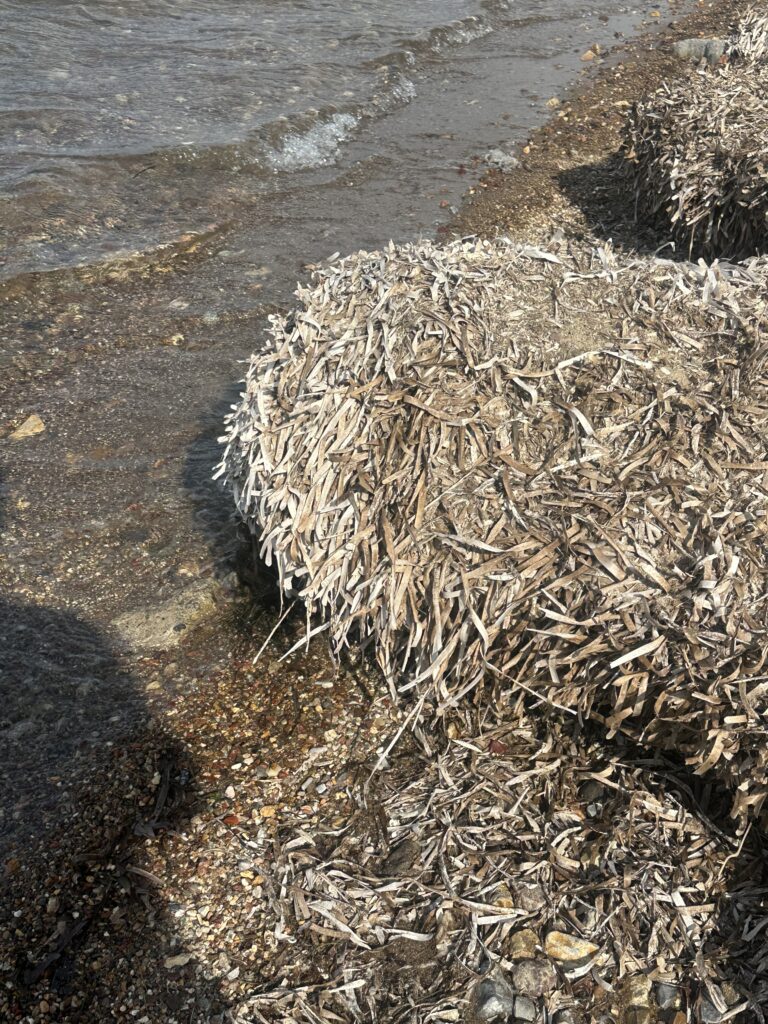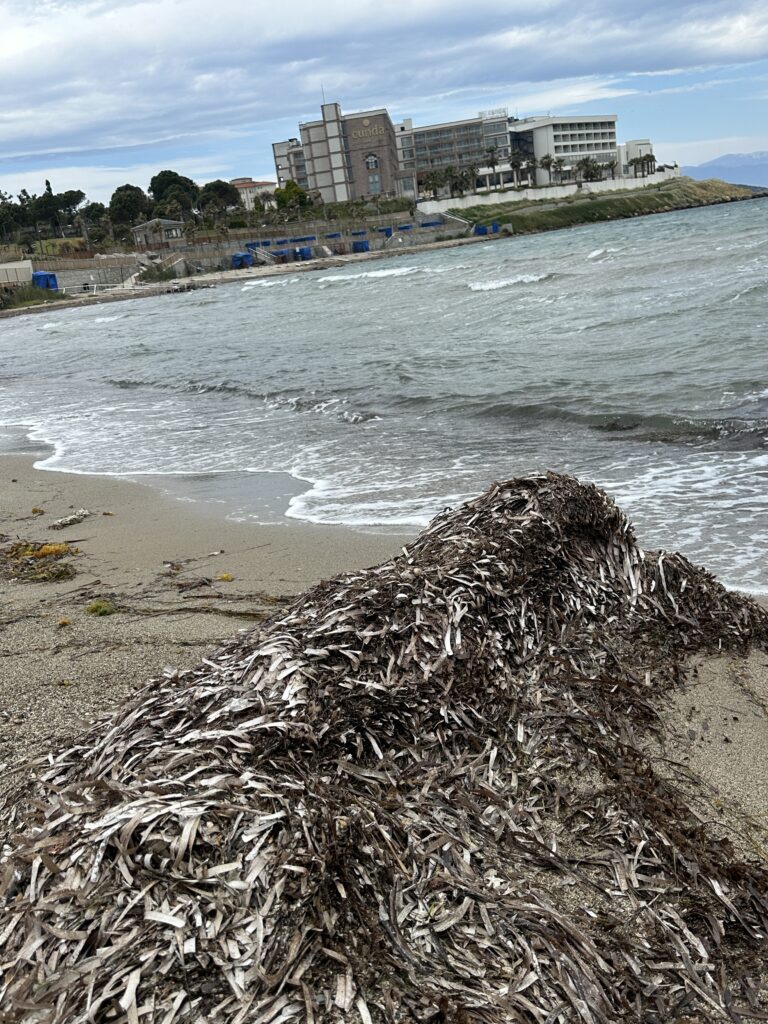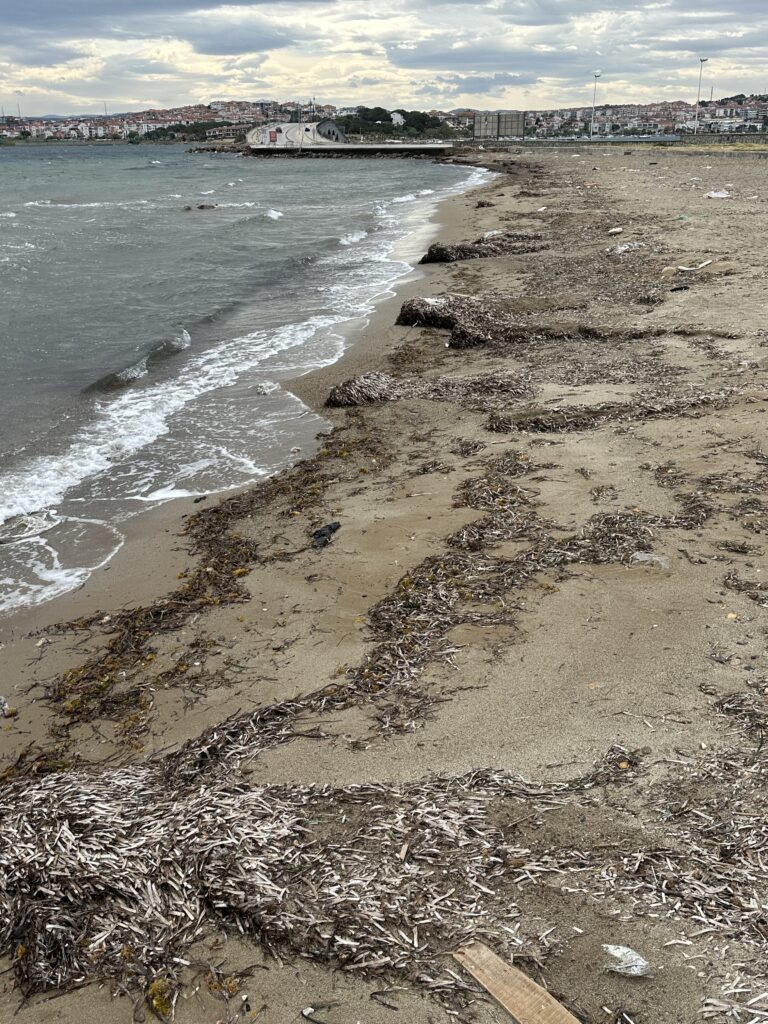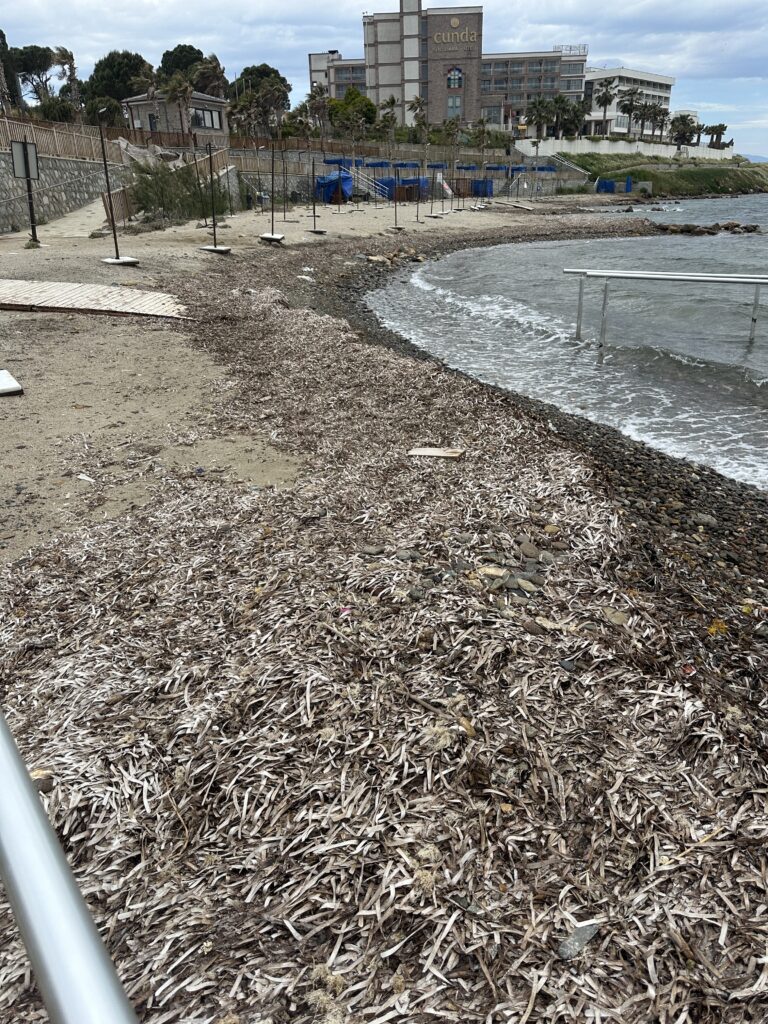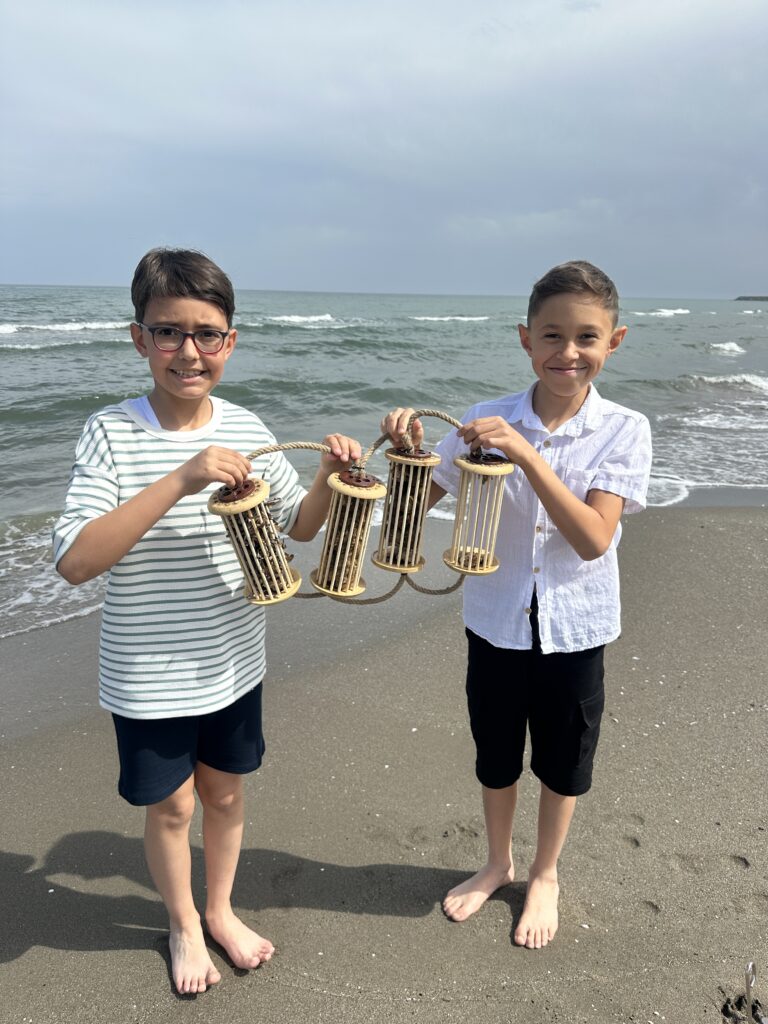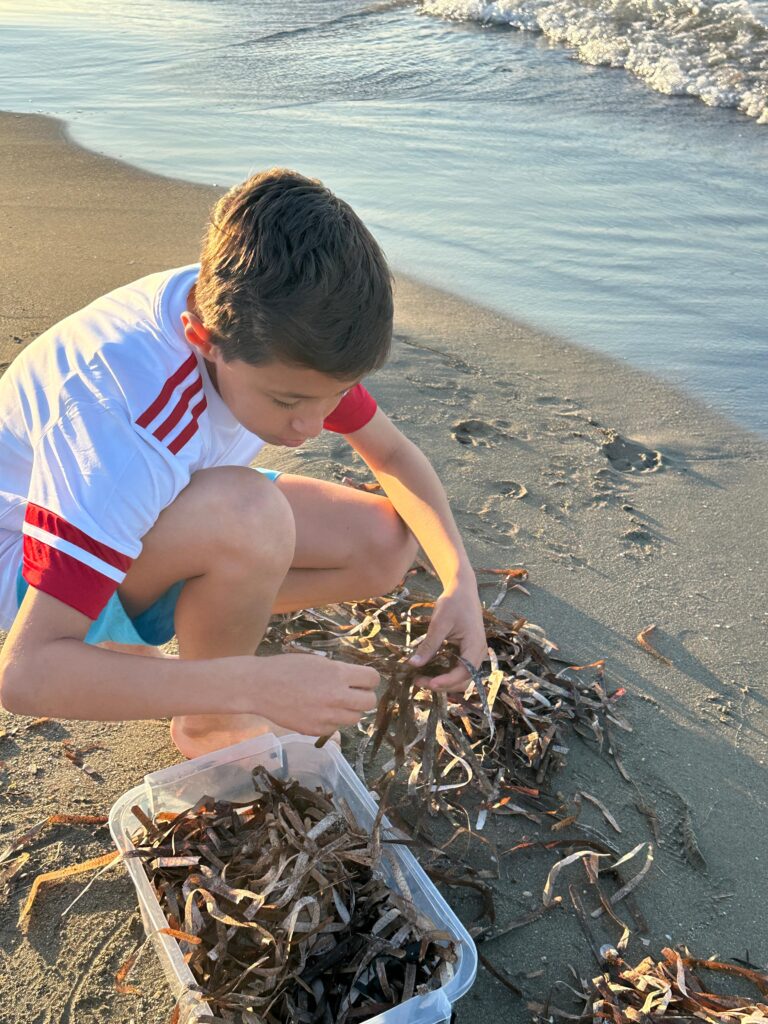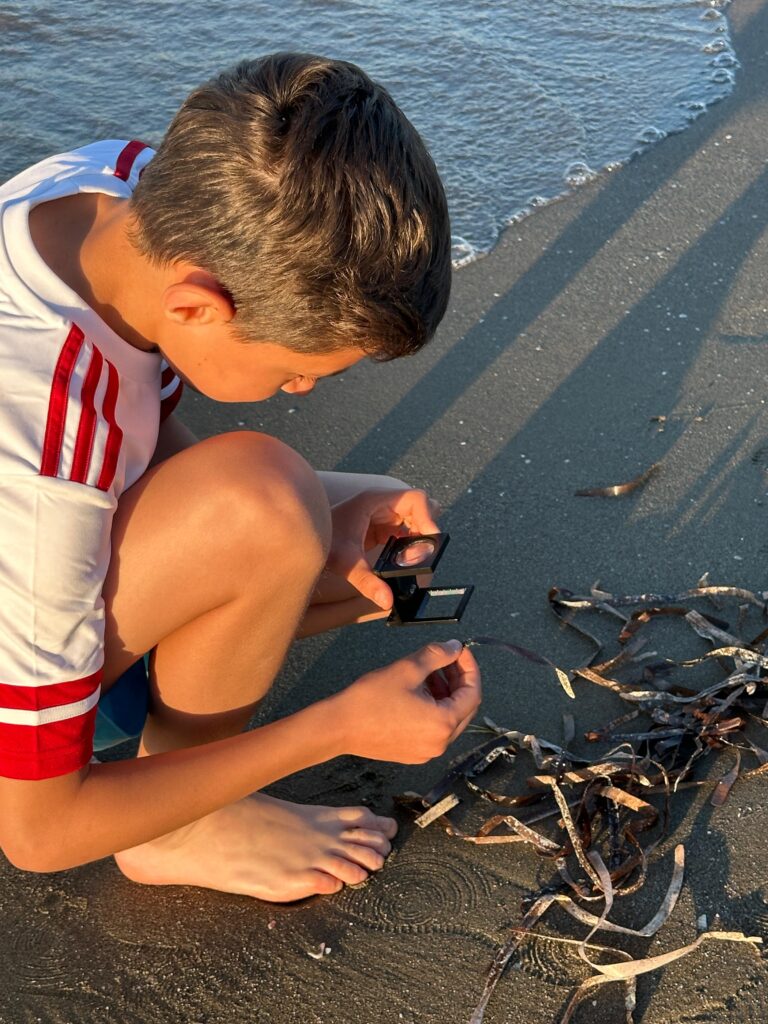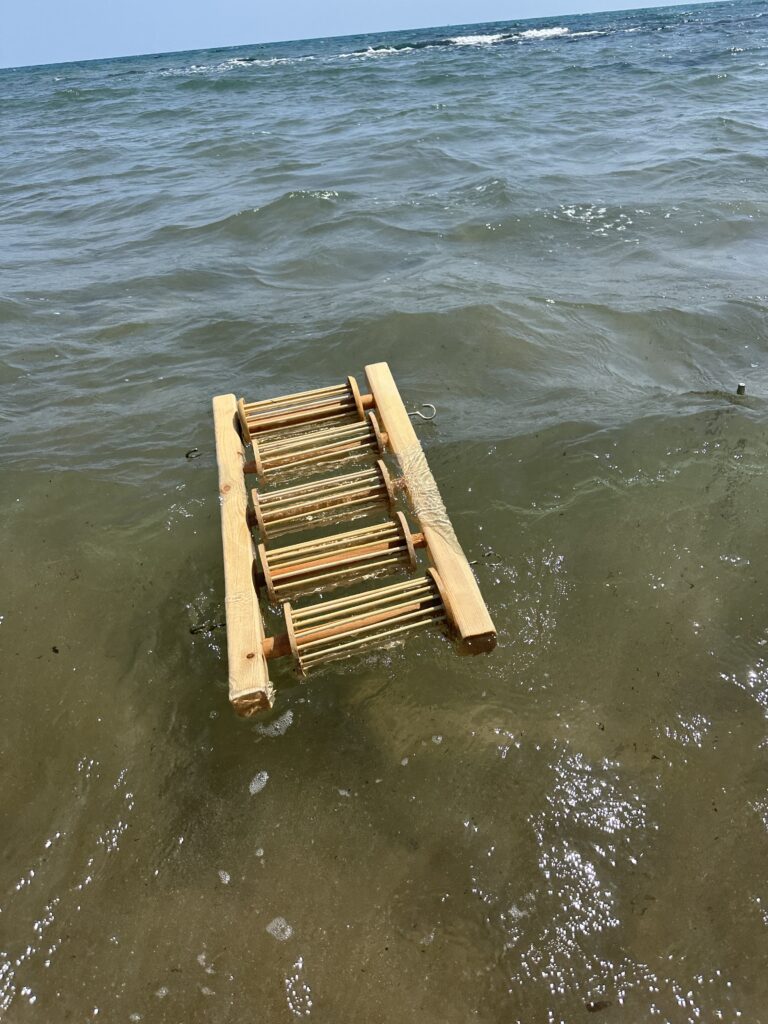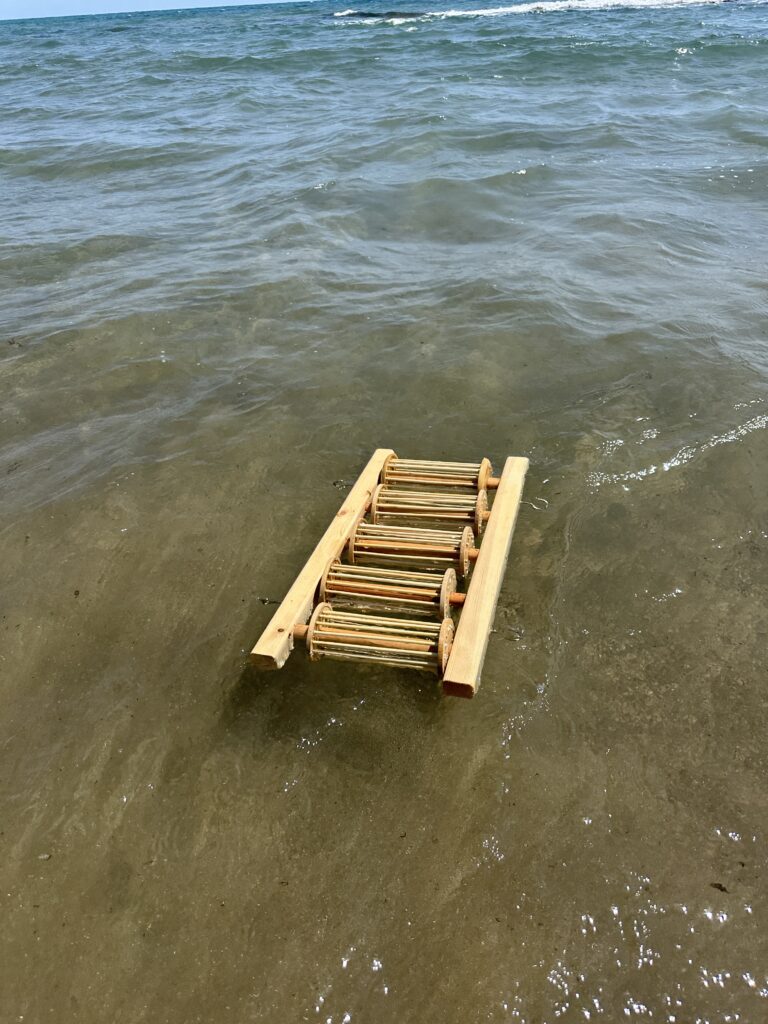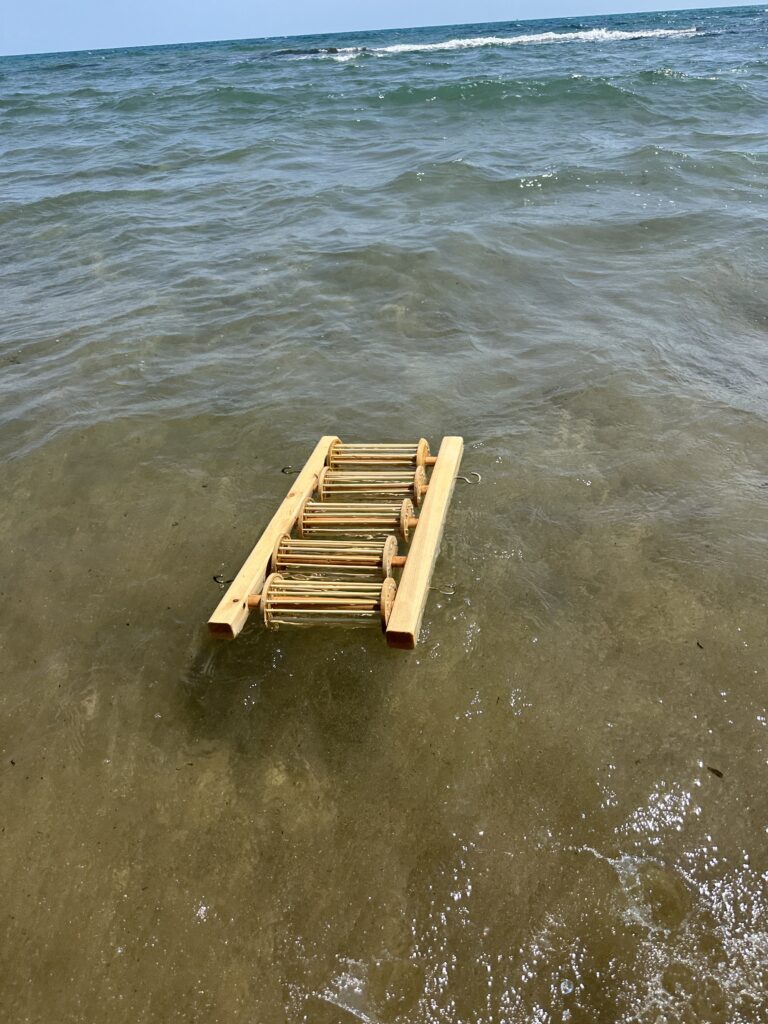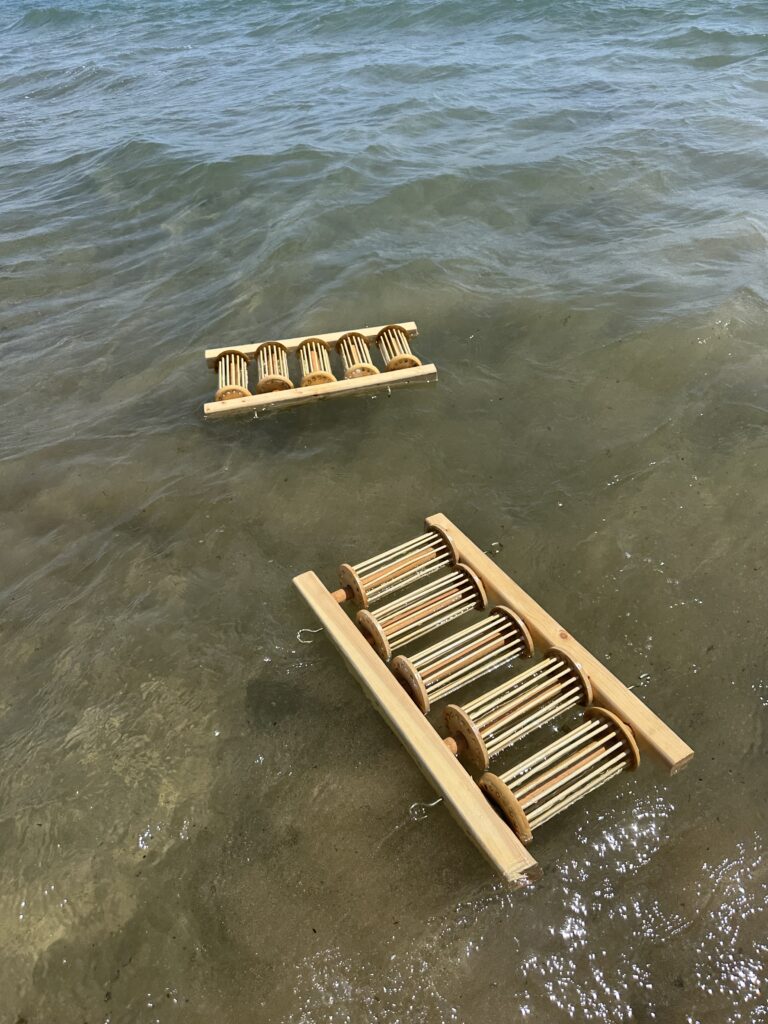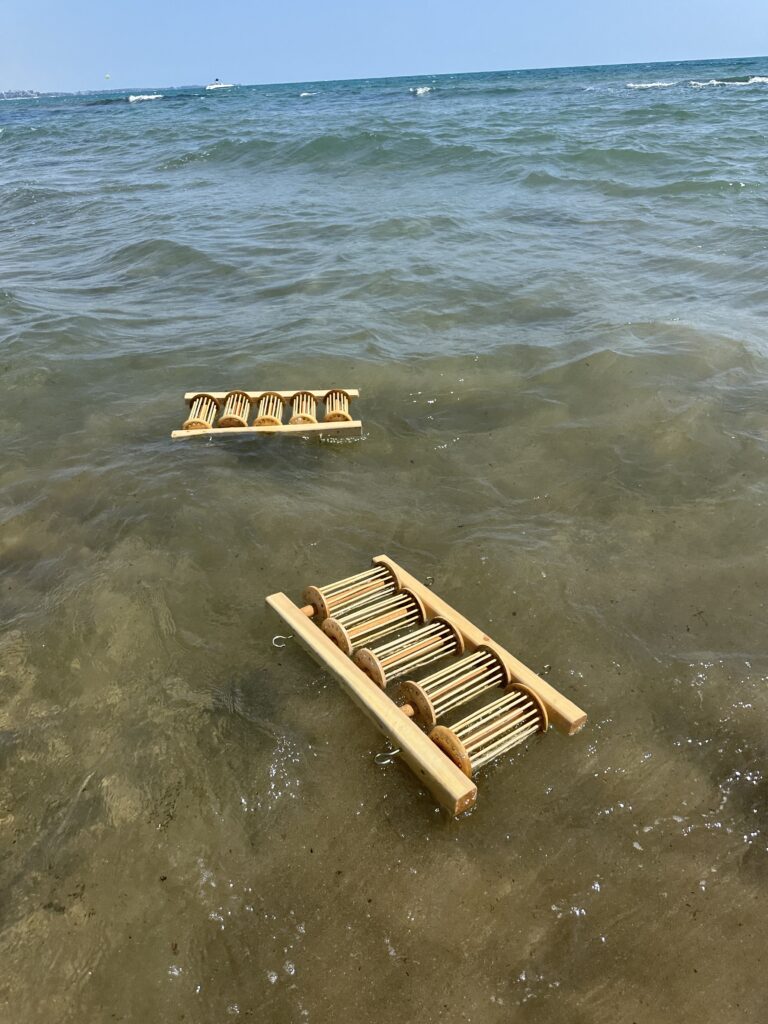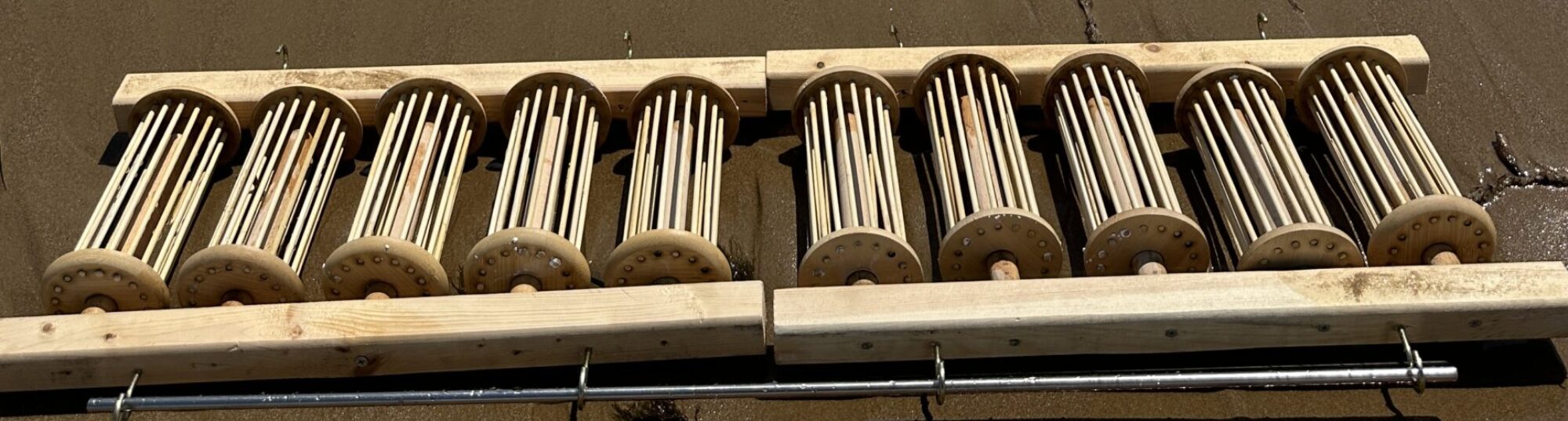
This study was prepared for the 8th International Turkic World Science and Culture Festival, held in Gaziantep, Türkiye, on October 26–28, 2026. The study aimed to develop an alternative solution to the growing problem of plastic and microplastic pollution in marine environments. For this purpose, experiments were conducted using Neptune cylinders, and promising results were obtained.
1-Simulation
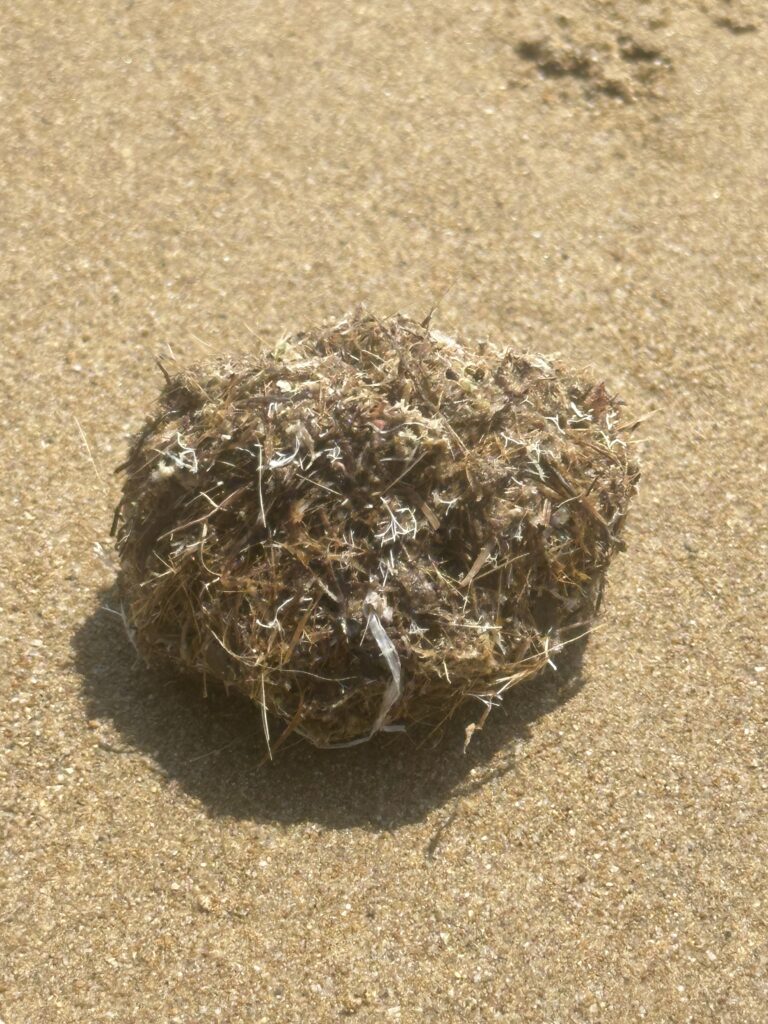
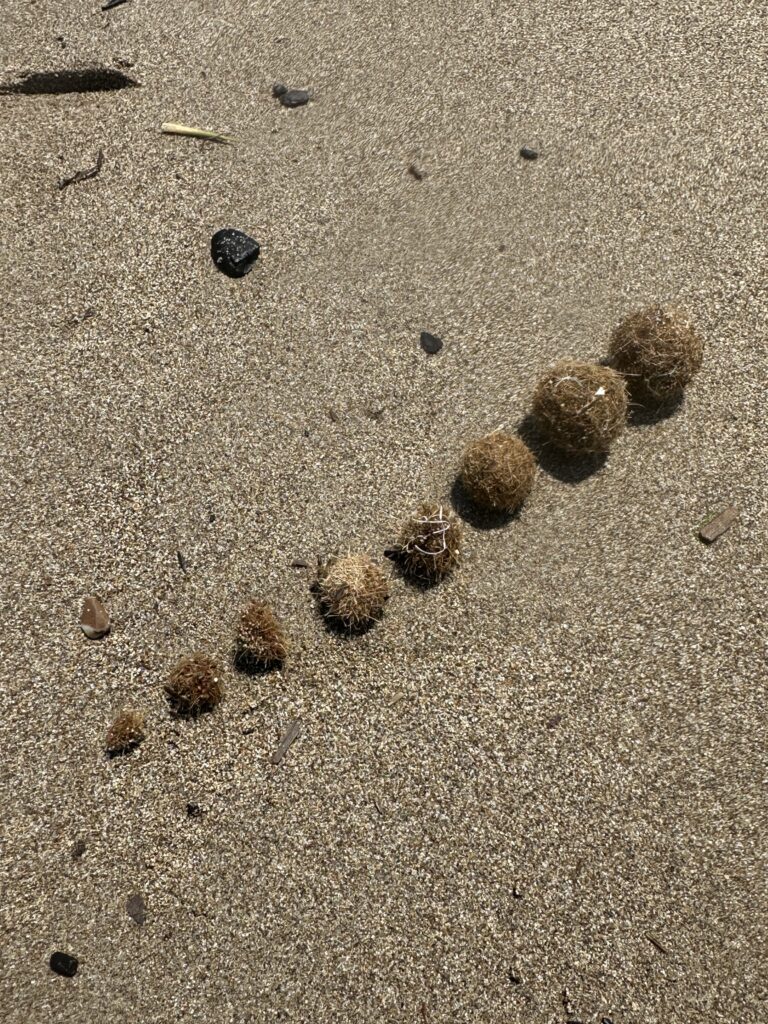
2-Neptune ball formation mechanism
3-Plastic capture mechanism of epiphytic bacteria
4-Games and Educational animation
Games Turkish–English Educational animations
5-Website visitor numbers
About us
I am Ömer Kaan FIDAN, a student at Çorum Science and Art Center in Türkiye. Under the guidance of my advisor teacher, Mehmet FIDAN, I am participating in the 8th International Turkic World Science and Culture Festival with our scientific research project.
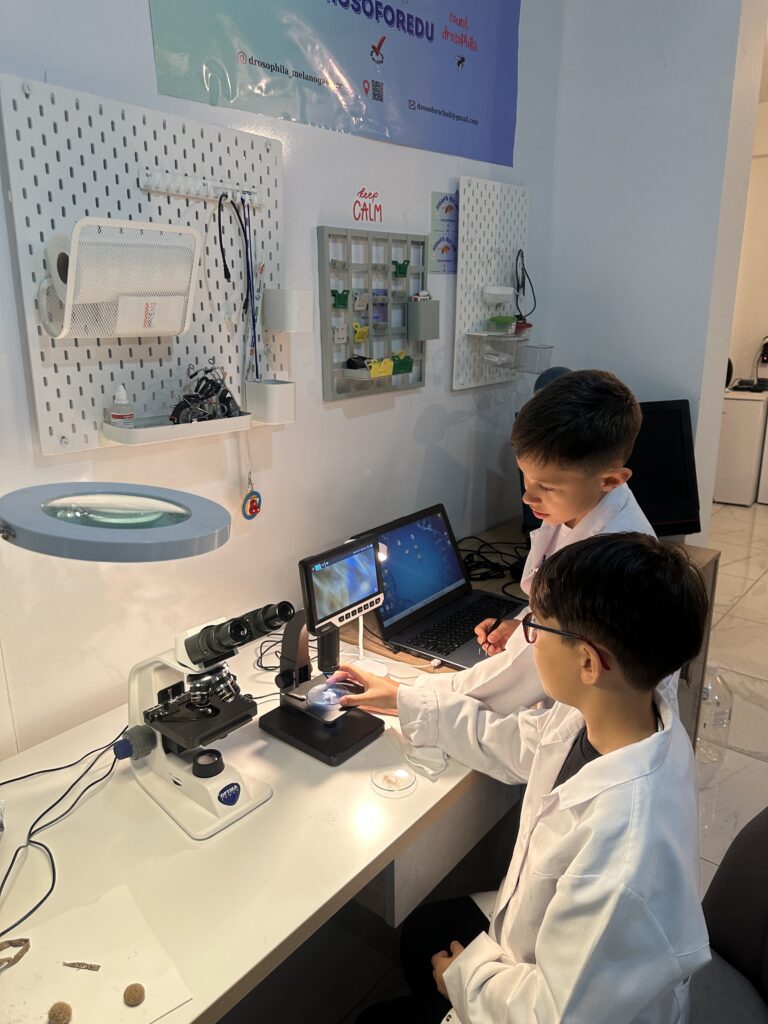
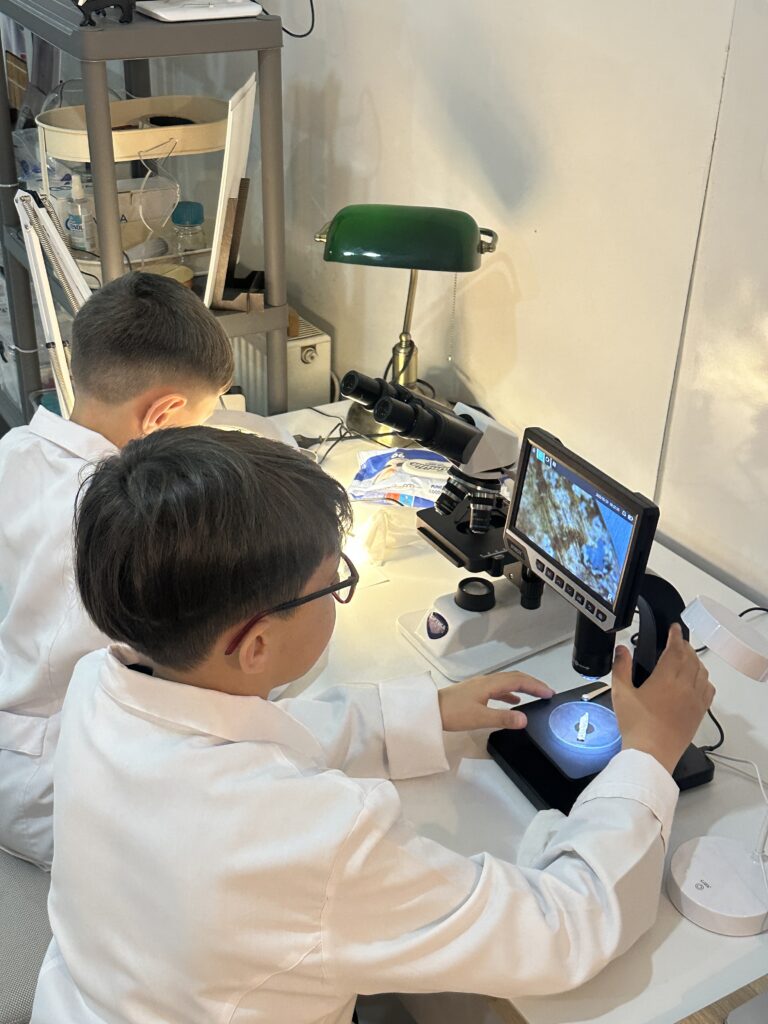
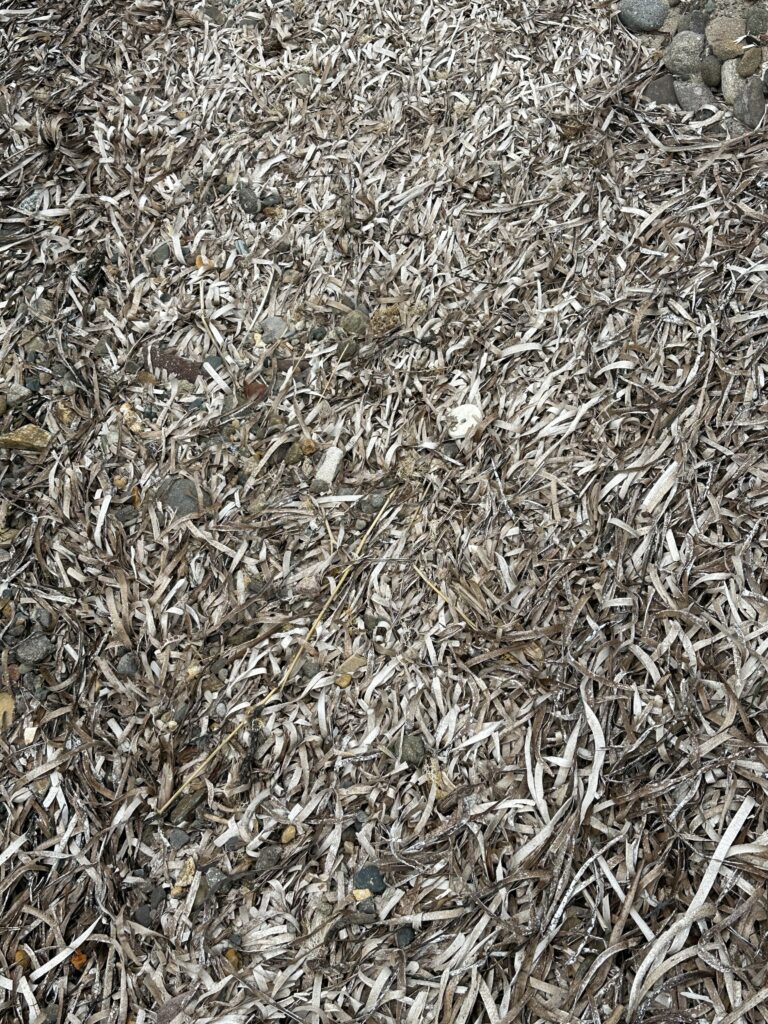
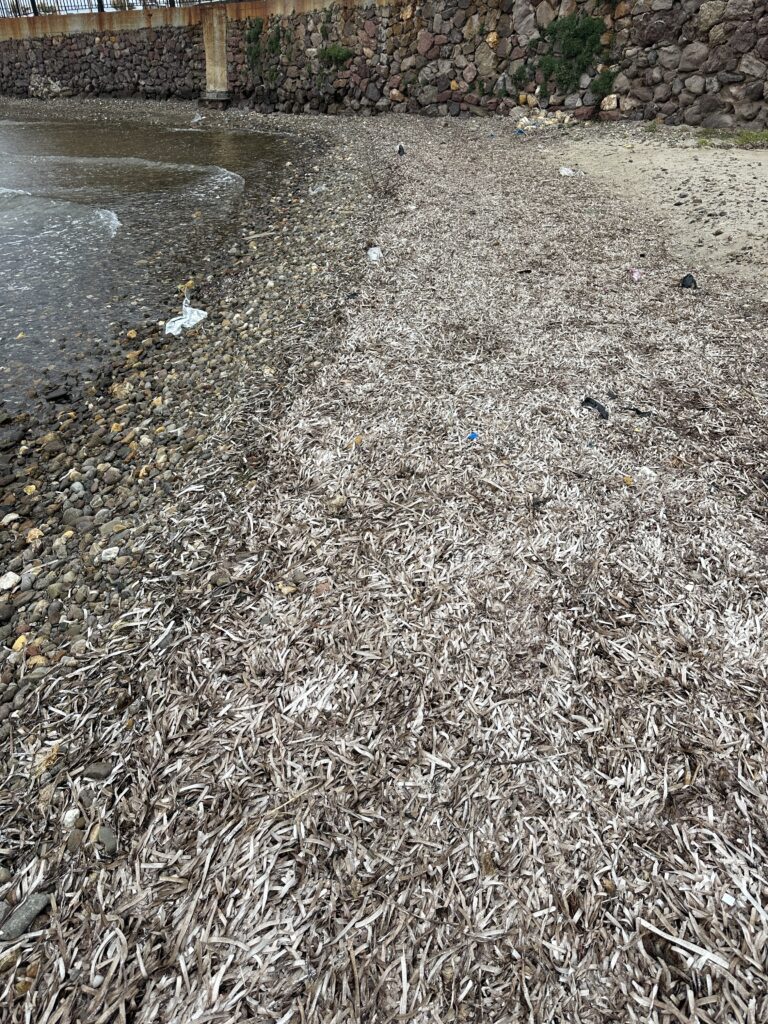
In our laboratory, we are investigating the fibers, leaves, and naturally formed Neptune balls of Posidonia oceanica, a marine plant whose remains accumulate along the Mediterranean and Aegean coasts. Our project aims to evaluate the potential of these natural materials as environmentally friendly alternatives to conventional plastics and to contribute to reducing plastic pollution in marine ecosystems.